
Why Today’s Automobiles Rely on More Sensors than Ever Before
If you’ve driven a car built in the last decade, chances are it has more technology under the hood than some of the first computers. Today’s vehicles rely on dozens of sensors to monitor performance, keep you safe, and even help with basic driving tasks. What used to be a simple machine powered by gas and steel is now more like a rolling computer, with auto parts that “talk” to each other constantly.
So why are vehicles today so dependent upon so many sensors? What are the repair-time implications? Let’s go a little deeper into why sensors are so central, the predominant models that you will find in today’s vehicles, and what operators of cars need to understand about replacing them.
Emergence of Sensors in Automobile Components
Car repairs were less complex decades ago. Repair jobs consisted of exchanging a belt, changing a spark plug, or tweaking a carburetor. There were some sensors, but they were few in number. Jump forward to the present, and vehicles now have electronic fuel injection, sophisticated braking, emissions, and driver assistance technologies all reliant on sensors.
These sensors, in most instances, are what contribute to today’s more efficient and secure vehicles. Airflow, temperature, speed, tire pressure, and myriad other factors that earlier cars left to chance are all tracked by them. When something is not quite right, your gauges light up because a sensor has noticed there is a problem.
How Ignoring Small Car Parts Leads to Big Repair
Consider your car as a chain. Each link is connected to another link, and when one weak link fails, they put pressure on the rest. Small car parts are those dormant locks that hold everything together. When they start to fail, pressure shifts to larger, more expensive systems.
That individual air filter costing a minimal $30 that goes unreplaced on schedule makes your engine work that much harder, resulting in lower fuel efficiency and eventual wear.
That individual belt costing around $50 could make you overheat with costs rising to thousands of dollars to fix your engine.
Worn-out brake pads might pull you out of money for a couple weeks’ worth of weeks or two weeks’ worth of breaks all at once to replace your rotors, your calipers, plus more.
Procrastinating on these repairs doesn’t only escalate costs. It escalates risk too. A blown hose or unexpected loss of breaks fails to happen quietly on an empty park at a convenient time. It rather happens on a busy street or during your out-of-state drive where you find yourself stranded or at risk.
Why Vehicles Today Are So Dependent on Sensors
So why the switch? There are a number of key reasons:
Efficiency – The sensors allow engines to burn fuel more precisely, so you get better gas mileage.
Safety – Systems like anti-lock brakes and stability control rely on sensors to react in real time.
Emissions – More stringent environmental standards equate to sensors checking fuel and exhaust systems frequently.
Convenience – These include backup cameras, blind spot, and parking assistance that rely on sensors.
Briefly, sensors are no longer optional but are intrinsic to car design and manufacturing. It is only by virtue of them that performance and safety achievable in today’s cars are made possible at all.
Common Sensors in Today's Vehicles
Contemporary cars have dozens of sensors, but some are more ubiquitous—and more crucial—than others. These are some you’re likely to find:
Oxygen (O2) sensor – Detects oxygen in the exhaust gases, essential for emissions and fuel economy.
Mass airflow sensor – Monitors how much air is entering into the engine, assisting in fuel delivery adjustment.
Throttle position sensor – Tracks the location of the gas pedal and the throttle plate.
ABS wheel speed sensors – Regulate anti-lock brakes by monitoring wheel spin.
Tire pressure monitoring sensors (TPMS) – Alert you when tires are underinflated.
Crankshaft and camshaft sensors – Keep the engine’s timing accurate.
Temperature sensors – Control coolant and air intake temperatures to prevent overheating.
These are all specialized sensors, and if any of them go bad, it can affect how your car performs—or if it performs at all.
What Happens When Sensors Fail
Why Recycled Car Parts are Sensical for Sensors
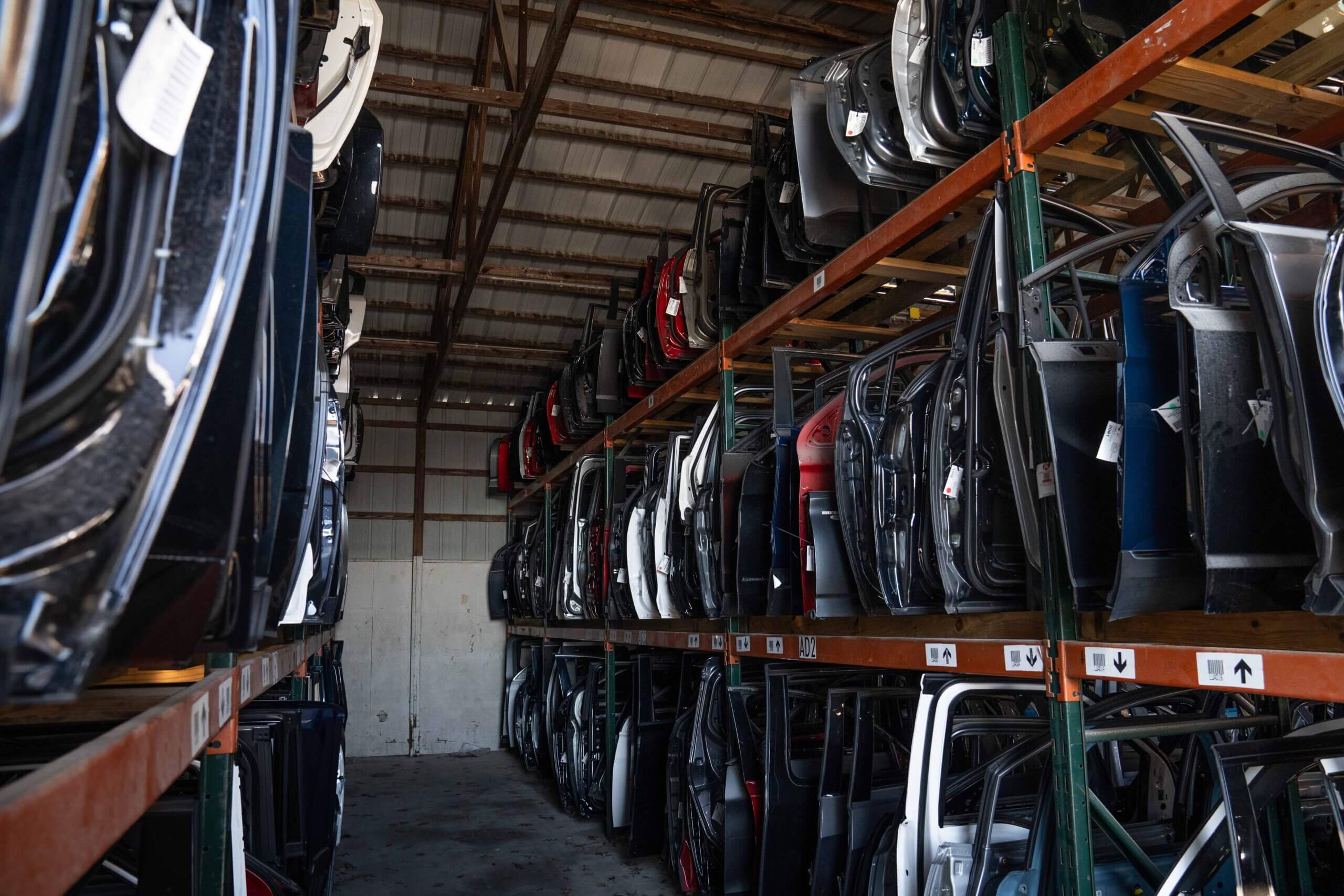
One doesn’t often think of sensors while thinking about purchasing second-hand car parts, but they are among the wisest decisions for a price-conscious driver. Here’s why:
Cost savings – New sensors, especially OEM versions, can be pricey. Used ones cut that cost dramatically.
Availability – Older model sensors might be obsolete, so you may have to go for the used alternatives.
Quality – These sensors often originate from cars having low miles or from accident-totaled cars, so they are still in very good shape.
The solution is purchasing from a good car parts dealer that checks the parts they have for sale. Then you can be sure you’re getting good parts that perform as well as new ones.
It's the Bigger Picture: Technology and Reliability
Final Thoughts
Cars have come a long way from the days of simple mechanical fixes. Today’s vehicles depend on a network of sensors to handle everything from fuel efficiency to braking safely in an emergency. While these small devices pack a big punch, they also come with a cost when they fail.
That’s why turning to a trusted car parts seller like A Plus Auto can make all the difference. With access to reliable used car parts—including sensors—you can keep your vehicle’s technology working without paying dealership prices. So the next time you see a light appear on your dash, keep in mind: it’s more than just tech for tech’s sake. It’s your car’s way of saying something is significant. And with the appropriate auto parts, repairing it doesn’t have to be a hassle.