
Why is a Transmission Fluid Change So Important, and What’s the Best Way to Do It?
Facebook
Twitter
LinkedIn
The more care you put into your vehicle, the better it will serve you. A commonly neglected automobile maintenance practice is the regular lubrication of the transmission system. Transmission fluid is vital to any functioning vehicle, allowing the gearbox to run smoothly and provide a safe driving experience.
Unlike regular engine oil, transmission fluid acts as a hydraulic fluid. The substance essentially protects the gears and clutches from wear and tear by efficiently reducing friction and heat build-up within the components. When it comes to automatic transmissions, a transmission fluid change plays a vital role in the vehicle’s overall performance, delivering both enhanced hydraulic pressure and friction lubrication.
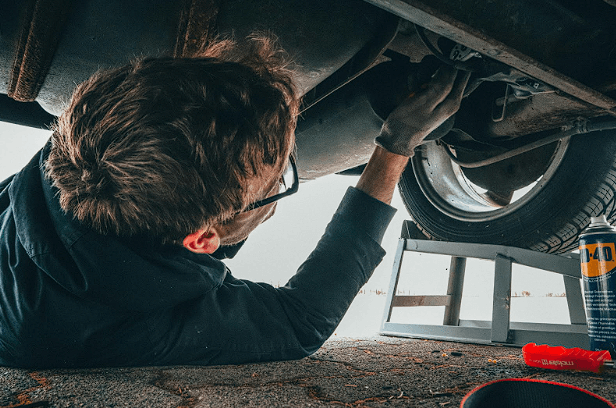
The Significance of A Routine Transmission Fluid Change
Most vehicle owners value the frequent maintenance of individual car parts and regular oil changes. However, between all the regular repairs, a transmission fluid change can be overlooked. Constant upkeep of the transmission ensures that no friction debris, like metal shavings, accumulates within the system.
If neglected, the fluid can deteriorate, causing alarming transmission errors and putting the driver at risk of a potentially disastrous failure. On the other hand, even if a transmission system malfunction does not cause any harm, the costs of a transmission replacement can go up in the thousands. It is an unnecessary expense for what could be done for a fraction of that price.
Common Indicators for a Transmission Fluid Replacement
Recognizing the warning signs that your vehicle is due for a transmission fluid change is essential for any conscious driver. This could potentially save you a significant chunk of money, as well as put your safety out of harm’s way. Let’s take a look at the key indicators your vehicle will give you, letting you know that your transmission system needs your attention:
- The transmission fluid’s color: A dipstick, typically featuring a red handle, can be used to check your transmission fluid’s quality. Fresh transmission fluid should take a bright red, or green color. If deteriorated, the color will shift to a darker tone.
- Burning smell: If you sense a burning odor during a regular drive, it could indicate that your transmission’s components are heating up excessively due to friction. A distinct burning smell can also be noticed on the dipstick.
- Transmission sounds and shift patterns: When using the transmission, the sound of grinding or the sensation of a rough pull could indicate inadequate lubrication.
- Lack of transmission response: When driving your vehicle, you may sense a delay or lack of response between shifting forward or reverse gears. This could be a sign of a transmission fluid decline.
- Getting stuck in a gear: If your vehicle shows trouble smoothly shifting between gears, as well as getting stuck in a single gear, it is a definite indication that you are due for a transmission fluid change.
- RPM spikes: If the RPM (Revolutions Per Minute) ratio unexpectedly spikes before the gear actually shifts, you could be looking at a transmission fluid problem that needs tending to.
How to Perform a Transmission Fluid Change
Visiting your mechanic for activities you can effectively do on your own will make you a more responsible vehicle owner and save you hundreds of dollars in the long run. If you already have some experience in auto maintenance, the process should be a walk in the park. Let’s examine the essential tools and materials required to perform a transmission fluid change like a pro.
Necessary Tools & Materials For A Fluid Change
As always, safety comes first. Make sure to equip yourself with a proper set of protective gloves and safety glasses. You will also need a drain pan to dispose of the old fluid and a funnel to help pour the transmission fluid in. A socket set will be useful in removing the transmission drain plug, and a torque wrench will help you tighten the bolts to a safe standard. To lift and safely support your vehicle, you will need a pair of jacks and jack stands.
When it comes to transmission fluids, ATF (Automatic Transmission Fluid) is your best bet for automatic transmissions. Synthetic transmission fluids offer heightened temperature resistance, and brand-specific fluids can be used for specific vehicles.
Step-by-Step Guide to a Successful Transmission Fluid Change
Keep in mind that this guide requires some prior experience in auto repairs. If you are uncertain about your abilities to perform the procedure correctly, we recommend that you involve a professional.
- Prepare your workspace: Warm up your vehicle to ensure the fluid flows smoothly, allow the engine to cool off, and park your car on a flat surface. Elevate your vehicle and tightly secure it with wheel chocks or steel ramps.
- Locate the transmission fluid pan and drain the fluid: If you are uncertain about the pan’s location, consult your vehicle’s manual. The pan can be built-in or removable. Use your drain plug to collect the old transmission fluid.
- Inspect the transmission filter: Check the filter for any damage and replace it if required.
- Firmly seal the transmission pan: Ensure you have a replacement O-ring or gasket for the transmission pan, and use soluble grease to seal it tightly.
- Refill using new transmission fluid: Pour the recommended amount of transmission fluid into the pan’s opening using a funnel.
- Check fluid levels and leaks: After the successful fluid change, run the car for a few minutes, turn it off, and check the fluid levels with your dipstick. Place a piece of cardboard under the transmission pan to check for any leaks and tend to them before driving again.

How Often Should A Vehicle’s Transmission Fluid Be Changed?
The timeline for a transmission fluid change solely depends on how frequently you drive your vehicle. A healthy recommendation would be to replace the fluid every 60,000 to 100,000 miles. However, your automobile’s maintenance schedule should give you a more accurate answer, as every model is built differently.
Regularly changing your vehicle’s transmission fluid will increase your safety while driving and improve its overall performance. Remember to always check your mileage for the correct maintenance of car parts. When in doubt, A Plus Auto will help you perform all of your routine checks, provide you with the finest parts, and get your car back on the road in no time!
Facebook
Twitter
LinkedIn