
What Are the Most Commonly Replaced Car Parts? Here’s Your Quick Guide
We’ve all been there—that moment when your car starts making a noise or a dashboard light flickers. Regular maintenance isn’t just about keeping your vehicle running smoothly; it’s about safety and preventing costly repairs down the road.
Every car has parts that wear out over time. Knowing which components typically need replacement helps you plan ahead and avoid unexpected breakdowns. That’s where we come in.
At A Plus Auto, we’ve helped thousands of drivers in Lexington and beyond find quality replacement parts. Our expertise with post-2019 vehicles gives us unique insight into modern automotive needs. Let’s look at what you should keep an eye on.
Factors Affecting Part Replacement
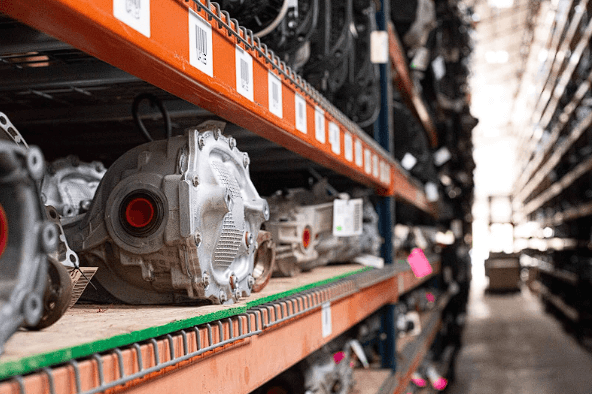
Not all vehicles wear the same way. A luxury sedan driven mostly on highways experiences different wear than a pickup truck used for work. Three main factors determine how quickly parts wear ou105:
- Your vehicle’s make, model, and year.
We all love our cars, but every manufacturer is notorious for certain parts breaking sooner than others. You’ve heard it before – “X brand has trouble with electrical systems”, “transmissions wear out quicker on X vehicles”, “X has never quite got their injectors right”.
- How you drive matters too.
Stop-and-go city driving wears brakes faster, while highway miles put more strain on engine components. Do you accelerate quickly? Take corners hard? These habits accelerate wear.
- Where you live plays a crucial role.
Salt-covered winter roads corrode undercarriage components. Desert heat taxes cooling systems. Mountain driving challenges transmissions and brakes. Your car’s environment shapes its maintenance needs.
Top 10 Most Commonly Replaced Car Parts
1. Oil and Oil Filter
Engine oil lubricates moving parts and prevents overheating. Over time, it breaks down and becomes less effective.
Signs you need a change: darker oil color, engine running louder, or decreased performance. Most manufacturers recommend changes every 5,000-7,500 miles, though synthetic oils can last longer.
Quality matters here—poor oil can lead to engine damage. Think of oil as your engine’s bloodstream; keep it clean and flowing properly.
2. Brake Components
Your brakes use friction to slow your car and stop — which means they’re designed to wear down.
Watch for squealing noises, longer stopping distances, or a vibrating brake pedal. These warning signs shouldn’t be ignored. Brake pads typically need replacement every 30,000-70,000 miles, while rotors last about twice as long.
According to a study by Ervines Auto Repair, brake components are among the top three most frequently replaced parts across all vehicle types. These are necessities to keep an eye on. It’s a matter of your safety (an others) on the road.
3. Tires
Few parts affect safety as directly as tires. They’re your only contact with the road.
Check for uneven wear patterns, bulges, or tread depth below 2/32 of an inch. Most tires last 25,000-50,000 miles depending on driving conditions and maintenance.
Rotating tires every 5,000-8,000 miles extends their life and improves handling. Remember—all four tires should be replaced together for optimal performance. Especially when winter arrives, it’s a good idea to check those tires to make sure they perform well in snow and ice.
4. Battery
Modern vehicles rely heavily on electrical systems, making batteries crucial components.
Signs of failure include slow engine cranking, dimming headlights, or electronic glitches. Most batteries last 3-5 years, though extreme temperatures can shorten lifespan.
A quality battery provides consistent power to all systems. When replacing, match the correct size and power rating for your specific vehicle.
5. Air Filter
Your engine breathes through its air filter, which traps dust and debris before they can cause internal damage.
A dirty filter reduces fuel efficiency and performance. You might notice reduced acceleration or a check engine light. Replacement is typically needed every 15,000-30,000 miles, though dusty environments require more frequent changes.
This simple maintenance item improves fuel economy by up to 10% when properly maintained.
6. Windshield Wiper Blades
These humble components are critical for visibility during inclement weather.
Look for streaking, skipping, or rubber that’s cracked or separated from the frame. Most wiper blades need replacement every 6-12 months.
Quality wipers clear water effectively without damaging your windshield. They’re an inexpensive safety upgrade that makes a big difference in rainy or snowy conditions. Winter wrecks havoc on wiper blades. Once the snow and ice thaw, it’s time to check and potentially replace.
7. Spark Plugs
These small components create the spark that ignites fuel in your engine.
Symptoms of failing spark plugs include rough idling, misfiring, poor acceleration, or increased fuel consumption. Modern iridium or platinum plugs can last 60,000-100,000 miles.
When replacing spark plugs, make sure you or your mechanic always follow manufacturer specifications for gap settings and torque values.
8. Headlights and Taillights
Visibility is a two-way street—you need to see and be seen.
Dimming, flickering, or completely burned-out bulbs are obvious signs replacement is needed. Most bulbs last 500-1,000 hours of use.
LED lights last longer but can be more expensive to replace. Regular checks prevent tickets and improve safety during night driving.
9. Belts (Timing and Serpentine)
These critical components transfer power throughout your engine.
Warning signs include squealing noises, visible cracks, or engine performance issues. Serpentine belts typically last 60,000-100,000 miles, while timing belts need replacement every 60,000-90,000 miles.
A failed timing belt can cause catastrophic engine damage in interference engines. This isn’t a maintenance item to postpone.
10. Suspension Components
Your suspension system absorbs road imperfections and maintains tire contact with the road.
Clunking noises, uneven tire wear, or a bouncy ride indicate problems. Components like shocks and struts typically last 50,000-100,000 miles.
Quality suspension parts improve handling, comfort, and safety. They’re worth the investment for a smoother ride.
The A Plus Auto Advantage
Regular maintenance isn’t just about avoiding breakdowns—it’s about safety, reliability, and protecting your investment. By understanding which parts commonly need replacement, you can plan ahead and avoid surprises.
We’ve built our reputation at A Plus Auto on understanding what drivers need. Our specialization in post-2019 vehicle parts means we stay current with the latest automotive technologies and requirements.
Our inventory includes over 140,000 items sold to satisfied customers. Whether you need mechanical components, electrical parts, or body panels, we’ve got you covered.
As a family-owned business, we take pride in our 75+ five-star Google reviews. We understand the urgency of car repairs, which is why we ship parts within 24 hours of order confirmation.
Need quality parts for your post-2019 vehicle? Browse our extensive inventory or contact us for personalized assistance. At A Plus Auto, we’re committed to keeping you on the road with confidence.