
Used Car Parts: Are They Safe? Separating Myth from Reality
When you think of the words “used car parts,” what’s the first thing that jumps to mind? To some, it’s a way to cut costs and extend the life of an older vehicle. To others, they conjure up a lot of questions: Are they reliable? Will they hold up? Is there a risk of installing them in my car?
It’s not surprising to have conflicted emotions. Vehicles can be a large purchase, and nobody feels like taking a risk on something as critical as safety. The problem, though, is that much of what you read in used car part horror stories has as much to do with fable as fact.
Let’s get straight to the facts and discuss what’s truly the case.
The Great Mistake Regarding Second-Hand Automotive Components
The biggest myth is that “used” always means “worn-out” or “unsafe.” It just doesn’t.
Think about it—plenty of vehicles get scrapped not because every part is bad, but because of a single major issue like frame damage or a blown engine. The rest of the car? It’s often full of perfectly good parts that have years of life left.
A good, used car part that you get from a reputable seller can function as well as a new one, and in a few situations, even better. Why? It’s already been subjected to real-world, on-the-road testing.
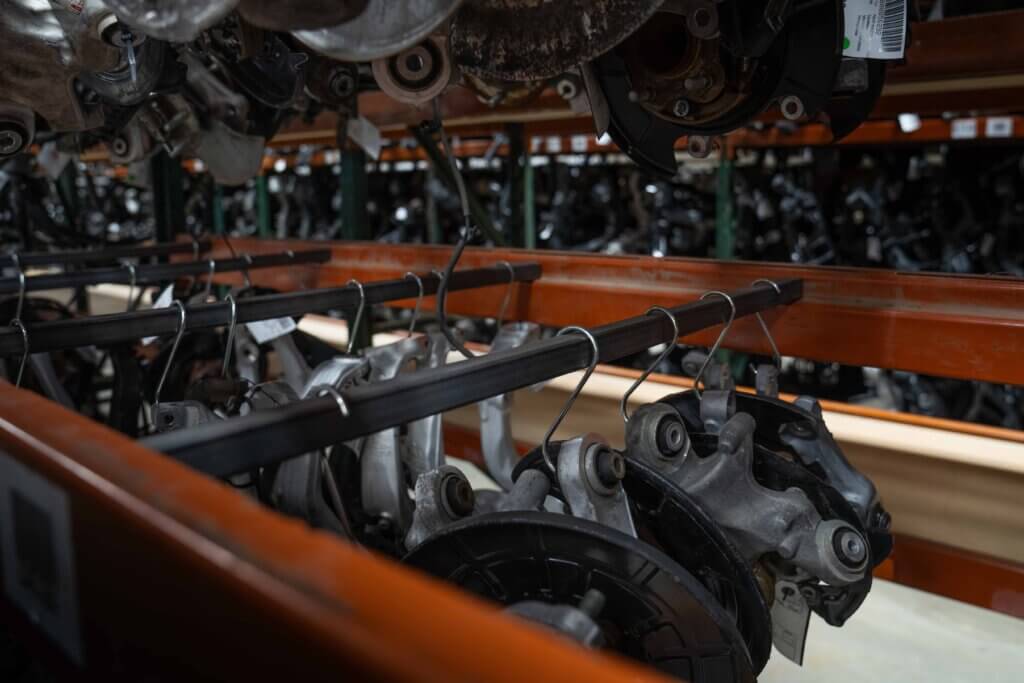
How Trustworthy Suppliers Keep You Protected
The Smart Alternative: Quality Used Electronics
Why Used Car Parts Are Frequently a Good Idea
Safety is one part of the scenario—there are other pros you perhaps haven’t looked at.
- Cost Savings – All right. New car components can be pricey in a hurry. Pre-owned car components may be a fraction of the cost but without the compromise in quality.
- OEM Quality – A lot of used parts are original equipment manufacturer (OEM) parts, which were manufactured specifically for your vehicle. No guesswork on fit.
- Faster Availability – From time to time new parts are back ordered for weeks. A good used car parts dealer has often what you need in inventory and can ship out.
Environmentally Friendly Option – Reusing parts keeps them out of landfills and saves on new production. It’s big-scale recycling.
Components You Should (and Shouldn’t) Purchase Second-Hand
All of a vehicle is not equally suited for reuse as a used part. Pre-owned tires with tread wear imperfections or greatly worn brake pads, for instance, are a definitive no, due to concerns over performance and, in a worst case, life. Conversely, some items, such as doors, mirrors, alternators, transmissions, and some engine components, can be very good used buys.
Think of having to replace a car door due to a parking lot accident. A new one could cost you upwards of hundreds of dollars, plus paint. A decent used door—color match and everything—could save you time and money.
How to Make Sure You Get Safe Second-Hand Car Parts
And if you think you’d consider purchasing used, there are some shortcuts:
- Buy from a reputable dealer – This is a must. Choose a firm dealing in used car spare parts, not any dealer.
- Ask for testing and inspection – A good supplier should be transparent about what they do to inspect parts.
- Check for warranties – There are some used car parts which include warranties for extra reassurance.
- Match exactly to your make and model – Safety and performance depend on compatibility.
Final Word
Used car parts aren’t as dangerous of a proposition as they’re often portrayed. In reality, they can be an intelligent, safe, and cost-effective method of getting your car back on the road. The secret is purchasing through a reputable dealer that truly understands what they have in stock.
If you’re in the Lexington area and need dependable used auto parts, A Plus Auto has the experience, the selection, and the commitment to quality to help you get back on the road with confidence.