The Impact of Weather on Car Parts: Seasonal Maintenance Tips

Facebook
Twitter
LinkedIn
Your vehicle faces a daily battle against the elements. Scorching heat warps rubber components, while freezing temperatures strain batteries and thicken fluids. Rain corrodes metal surfaces, and snow brings road salt damage. These weather extremes threaten your car’s performance and longevity in ways you might not expect.


At A Plus Auto, we’ve helped over 140,000 customers protect their vehicles through every season. With our 75+ five-star reviews and expertise in parts for 2019 and newer vehicles, we’ll show you exactly what you need to know about the weather’s impact on your car and how to prevent costly repairs.


How Weather Affects Vehicle Components
Temperature Fluctuations
Your car’s battery loses 35% of its strength at 32°F and up to 60% at 0°F. Winter mornings bring sluggish starts while summer heat accelerates internal corrosion. These temperature swings create a constant battle for your battery’s survival. Engine oil changes with the weather. On frigid mornings, it thickens to molasses consistency, forcing your engine to work harder. Summer heat thins it to water-like viscosity, reducing crucial engine protection. This viscosity dance affects every drop of fluid in your vehicle. Metal components expand and contract through temperature cycles. A 50-degree temperature swing causes your engine block to flex, putting stress on gaskets and seals. These microscopic movements add up over time.

Moisture and Precipitation

Road salt and water create perfect conditions for rust formation. Your undercarriage faces constant assault from this corrosive combination. One small rust spot grows into structural weakness without intervention. Electrical connections suffer in wet conditions. Moisture sneaks into wiring harnesses and corrodes terminals. A single corroded connection leads to mysterious electrical gremlins – from flickering lights to failed sensors. Rain, snow, and fog transform safe driving conditions into visibility challenges. Your wipers, headlights, and defrosters become critical safety systems. Each precipitation type demands different maintenance approaches to maintain clear sightlines.

Season-by-Season Maintenance Guide

Spring Maintenance

Winter’s harshness demands attention from car owners. Salt residue clings to your undercarriage, eating away at metal surfaces. A thorough pressure washing removes these corrosive salt deposits. It’s time to give your vehicle it’s spring cleaning.

Spring is the time for fluid maintenance:
  • Replace winter-weight oil with manufacturer-recommended viscosity
  • Flush and refill coolant systems contaminated by winter debris
  • Top off washer fluid with bug-removing formula
  • Check brake fluid for moisture contamination
If you use winter tires, they need proper storage. Clean them thoroughly, store in cool, dry locations, and stack horizontally to prevent rim damage. All-season tires require pressure adjustments for warming temperatures.
Pro Tip: Spring is the perfect time to address any unusual noises or handling issues that developed during winter.

Summer Care

Heat stresses your cooling system beyond normal limits. Check these critical components:
  • Radiator fins for debris blockage
  • Coolant levels and concentration
  • Belt tension and wear patterns
  • Hose flexibility and connection points

High temperatures also accelerate rubber deterioration. Inspect:

  • Drive belts for cracks
  • Radiator hoses for softness
  • Wiper blades for rubber degradation
  • Tire sidewalls for weather checking

A/C performance is crucial as summer temps rise. Low refrigerant levels will reduce cooling efficiency by 20%. Listen for unusual compressor noises, monitor vent temperature, and replace cabin air filters for optimal airflow.

Pro Tip: A properly functioning A/C doesn’t just provide comfort – it helps prevent engine overheating by reducing overall system stress.

Fall Preparation

Winter readiness starts before temperatures drop. Battery testing reveals potential cold-weather failures – batteries lose 60% of their power at 0°F. Clean corroded terminals and tighten loose connections.

Heating system inspection prevents mid-winter emergencies:

  • Test heater output
  • Check blend door operation
  • Verify defrost effectiveness
  • Inspect heater core for leaks 
Pro Tip: Consider switching to winter tires if your daily drive includes rural or hilly areas – they provide 35% better traction in snow.

Winter Protection

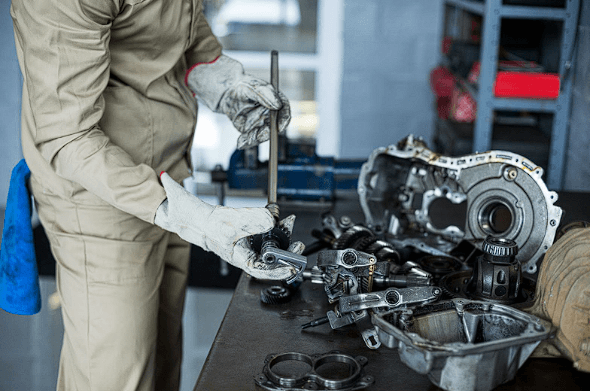
Mechanic checking car parts to ensure they’re in good condition
Battery maintenance becomes paramount. Cold cranking amps (CCA) determine starting ability. A 400 CCA battery struggles below freezing – know your vehicle’s requirements.
Antifreeze concentration affects more than freeze protection:
  • 50/50 mix protects to -34°F
  • Proper mix prevents corrosion
  • Wrong concentration damages engine components
Emergency preparation saves lives:
  • Blankets and warm clothing
  • Flashlight with fresh batteries
  • First-aid supplies
  • Phone charger
  • Small shovel
  • Traction aids
Pro Tip: Never let your fuel tank drop below half-full in winter – it prevents fuel line freezing and provides extra weight for traction.

Year-Round Best Practices

Regular inspection schedules prevent costly surprises. Mark your calendar for monthly checks of:
  • Tire pressure and wear patterns
  • Fluid levels and clarity
  • Belt tension and condition
  • Light operation and lens clarity
Documentation builds a maintenance history roadmap. Record:
  • Service dates and mileage
  • Part numbers and specifications
  • Repair costs and locations
  • Unusual noises or performance changes
Professional maintenance timing follows manufacturer recommendations. Some tasks require specialized tools and expertise for when you need to call a pro:
  • Transmission service
  • Brake system repairs
  • Electrical diagnostics
  • Alignment adjustments

Quality parts selection makes a difference in longevity and performance. A Plus Auto stocks:

  • OEM-equivalent components
  • Parts for 2019 and newer vehicles
  • Premium brands with proven reliability
  • Components meeting or exceeding original specifications
Our extensive inventory includes:
  • Direct-fit replacements
  • Updated designs addressing common failures
  • Components tested for extreme weather conditions
  • Parts backed by industry-leading warranties
Smart maintenance combines DIY attention with professional expertise. Know your limits – some repairs require technical knowledge and specialized equipment. Building a relationship with qualified professionals protects your investment and ensures safety.

Your Vehicle's Future Starts Today

Maintaining a car through extreme weather feels overwhelming. “Where do I even begin?” probably crossed your mind while reading this guide. These feelings make perfect sense – your car represents freedom, safety, and a significant investment. But here’s the truth: you’ve already taken the first step. Understanding how weather affects your vehicle empowers you to make informed decisions. Each seasonal check, every fluid change, and all preventive measures add years to your car’s life while protecting your family.
Remember, you’re not alone in this journey. A Plus Auto stands ready with expertise, quality parts, and unwavering support. Together, we’ll keep your vehicle running strong through every season, every storm, and every mile ahead. Your car takes care of you. Now you know exactly how to return the favor.
Facebook
Twitter
LinkedIn
Simple modal box
Part Inquiry Form