
How to Maintain Your Vehicle’s Value with Quality Parts
Your vehicle represents more than transportation – it’s an investment worth protecting. Every part choice shapes your car’s future value, from the smallest sensor to major mechanical components. Modern vehicles, especially those manufactured since 2019, pack sophisticated technology requiring precise, quality-matched components to maintain peak performance. When drivers cut corners on replacement parts, they risk more than immediate reliability – they compromise their vehicle’s long-term worth. Understanding the relationship between quality parts and value retention empowers smart decisions for your car’s future, protecting both performance and resale value. Browse our extensive inventory of quality used parts to make informed decisions for your vehicle’s future.
The True Cost of Cheap Parts
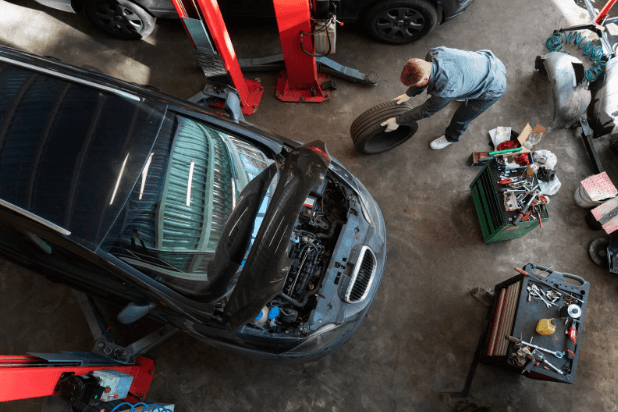
Vehicle depreciation strikes hard and fast. A new car loses 20-30% of its value in the first year alone, according to Kelley Blue Book research. But smart parts choices slow this decline.
Consider these real-world implications:
Consider a real-world example: A $200 aftermarket oxygen sensor might save $300 compared to an OEM part initially. However, when it triggers check engine lights, causes poor fuel economy, and requires replacement within a year, the total cost including labor and diagnostic fees can exceed $800 – far more than the original OEM investment.
Vehicles maintained with quality parts typically retain higher resale value compared to those repaired with budget alternatives, though the exact impact varies by vehicle type and maintenance history. Professional maintenance records and quality parts are key factors buyers consider when assessing a vehicle’s value
The hidden costs of inferior parts extend beyond the price tag:
- Increased fuel consumption from improperly functioning components
- More frequent replacements as cheaper parts wear faster
- Higher labor costs from repeated repairs
- Potential damage to connected systems
When comparing an OEM part against an aftermarket alternative, factor in replacement frequency, installation costs, and impact on connected components. The initial savings often evaporate, leaving you with a compromised vehicle and diminished resale value.
Critical Components That Impact Vehicle Value
Modern vehicles operate as interconnected systems, where each component influences overall performance and value. Understanding these critical elements helps prioritize investment in quality parts.
- Engine Management Systems
- Electronic Control Units (ECUs)
- Oxygen sensors
- Direct injection components
- Variable valve timing actuators
These sophisticated components require precise calibration to maintain fuel efficiency and emissions standards. A single compromised sensor throws multiple systems off balance.
Transmission Technology
- Adaptive shifting modules
- Solenoids
- Speed sensors
- Control units
Modern transmissions learn driving patterns and adjust accordingly. Non-compatible parts disrupt this learning process, leading to rough shifting and accelerated wear.
Advanced Electronics
- Driver assistance sensors
- Camera systems
- Radar units
- Network control modules
Post-2019 vehicles rely on these systems for safety and performance. Mismatched components risk disabling entire safety suites, triggering warning lights, and reducing market appeal.
Body and Interior Elements
- LED lighting assemblies
- Infotainment components
- Climate control modules
- Smart entry systems
These features define the modern driving experience. Maintaining their functionality preserves both comfort and value.
Each component plays a role in your vehicle’s ecosystem. When one fails, others compensate, creating a cascade of increased wear. Premium parts maintain the balance manufacturers engineered, protecting your investment across all systems. See our detailed photo gallery showcasing our rigorous quality inspection process for these critical components.
Maintenance Schedule and Parts Replacement Guide
-
Following manufacturer-recommended maintenance schedules protects your investment and prevents costly cascading failures. Modern vehicles signal their needs – learning to interpret these warnings saves money and preserves value.
Timing Essentials
- Oil changes: Every 5,000-7,500 miles for synthetic oil
- Transmission fluid: Inspect at 30,000 miles
- Brake fluid: Test every 20,000 miles
- Air filters: Replace every 15,000-30,000 miles
These intervals vary by driving conditions and manufacturer specifications. [Link to manufacturer guidelines]
Warning Signs Demand Attention
- New dashboard warnings
- Changes in operating sounds
- Delayed response times
- Unusual vibrations
Addressing these signals early prevents minor issues from escalating into major repairs.
Preventive Maintenance Priorities
For 2019+ Vehicles:
- Monitor battery health – modern electrical systems strain batteries
- Update software systems regularly
- Inspect suspension components every 15,000 miles
- Check tire pressure monitoring sensors annually
Documentation Drives Value
Save digital records of all vehicle maintenance
- Keep parts receipts and warranty information
- Log all software updates
- Record service dates and mileage
Smart maintenance planning extends beyond basic oil changes. Each system requires attention at specific intervals. Missing these windows risks exponential repair costs and value loss. Our parts search tool matches your vehicle’s maintenance needs with exact-fit components, ensuring every service maintains manufacturer specifications.
How to Choose the Right Parts
Selecting replacement parts requires balancing quality, compatibility, and value. Modern vehicles demand precision – a single incompatible part risks compromising multiple systems.
Quality Indicators Matter
- OEM certification numbers
- Material specifications
- Manufacturing date codes
- Country of origin verification
Smart shoppers examine these warranty factors:
- Coverage duration
- Transferability
- Installation requirements
- Cross-border validity
At A Plus Auto, our quality assurance process includes:
- Rigorous quality checks on every component
- Thorough cleaning and preparation
- Detailed photography for accurate representation
- Professional storage in our organized warehouse
- Careful packaging for safe transit
- Standard 1-year warranty on parts
Each part goes through our comprehensive inspection process before being approved as ‘A+ grade’ quality. Our team ensures every component meets our high standards and is in excellent working condition before it’s made available to customers. Contact our expert team for guidance on selecting the right components for your specific vehicle model.
Red Flags to Watch
- Missing certification marks
- Incomplete documentation
- Vague compatibility claims
- Unusually low pricing
Premium parts deliver:
- Consistent performance
- Longer service life
- System compatibility
- Maintained vehicle value
Expert Tips for Maximum Value Retention
Smart ownership habits protect your vehicle’s value beyond basic maintenance. These proven strategies maximize return on your automotive investment.
Regional Considerations:
- Protect undercarriage coating during winter months
- Schedule cooling system checks before summer heat
- Monitor brake components during humid seasons
- Address paint protection against UV exposure
Documentation Builds Value:
- Create digital maintenance records
- Photograph repairs and replacements
- Store parts warranties electronically
- Track service intervals systematically
Technology Protection:
- Keep software systems updated
- Maintain calibration records
- Preserve original programming
- Document system upgrades
As vehicles become increasingly sophisticated, staying current with technological advances in parts and maintenance becomes crucial. Regular software updates and system calibrations are as important as traditional mechanical maintenance in preserving your vehicle’s value and performance.
Professional service relationships strengthen resale value. Building a consistent maintenance history with quality parts demonstrates responsible ownership. Each service milestone adds documentation to support your vehicle’s value story.