
How to Choose the Right Used Car Parts for Your DIY Projects
A Plus Auto specializes in answering these questions through our focused inventory of quality parts from 2019 and newer vehicles. Our expertise helps DIY enthusiasts maintain our modern vehicles without breaking the bank.
Understanding Your Project Needs
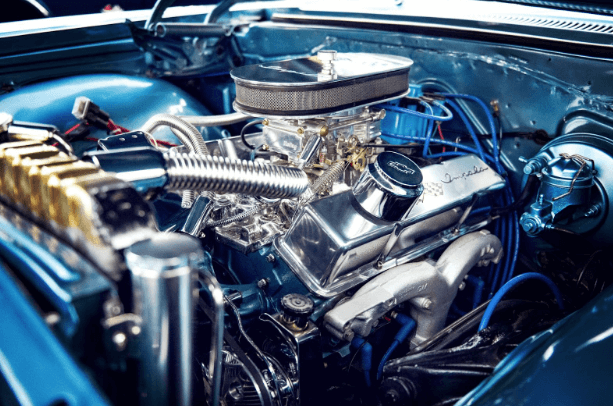
Start with your vehicle’s specifics. Modern cars pack sophisticated technology into every component, making exact matches crucial. Your Vehicle Identification Number (VIN) serves as your golden key – it unlocks precise information about your make, model, and manufacturing details. A Plus Auto’s inventory system matches these details to ensure perfect compatibility with your 2019 or newer vehicle.
- Basic maintenance projects: air filters, brake pads, batteries
- Intermediate tasks: alternators, starters, sensors
- Advanced repairs: transmission components, engine parts
Match your tools to your project. Modern vehicles often require specialized tools for specific components. A basic socket set might work for simple tasks, but diagnostic tools become essential for projects involving electronic components.
Here’s a counterintuitive insight: sometimes, the seemingly simpler projects on newer vehicles require more precision than complex repairs on older models. For example, replacing a headlight assembly on a 2020 vehicle might involve calibrating advanced safety sensors – a detail many DIY enthusiasts overlook.
Take time to research technical specifications and installation requirements. Modern vehicles’ interconnected systems mean one component often affects others. A replacement oxygen sensor, for instance, must communicate properly with your car’s computer system to maintain optimal performance.
Benefits of Using Used Car Parts
Smart car owners recognize the financial impact of maintaining modern vehicles. Premium used parts from recent models (2019 and newer) offer significant advantages without compromising quality or reliability.
Cost savings lead the list of benefits. Quality used parts typically cost 40-60% less than new components while delivering comparable performance. This savings multiplies when tackling larger repairs or maintaining multiple vehicles.
Environmental benefits extend beyond your wallet. Choosing used parts reduces manufacturing demand and keeps perfectly good components from entering landfills. According to Spolia Magazine, reusing automotive parts ranks among the most effective ways to reduce industrial waste.
Modern vehicles present unique opportunities for used parts:
- Electronics and sensors retain their programming capabilities
- Components show minimal wear due to their recent manufacture
- Original manufacturer specifications remain current
- Parts come with documented service histories
The market for recent-model parts also offers better availability than you might expect. When dealers replace parts under warranty, these nearly-new components enter the secondary market, providing excellent options for DIY projects.
Key Factors in Selecting Used Car Parts
Selecting parts for modern vehicles requires attention to specific details. The right choice depends on several critical factors which determine both fit and function.
Part condition stands paramount. For 2019 and newer vehicles, components should show minimal wear. Look for:
- Clean, unmarred surfaces
- Original manufacturer markings
- No signs of previous repairs
- Complete mounting hardware
- Intact electrical connections
Age matters more than mileage for modern components. A Plus Auto’s focus on 2019 and newer inventory ensures parts meet current technological standards. This becomes crucial with components like:
- Engine control modules
- Advanced driver assistance sensors
- Emission control systems
- Safety equipment
The choice between OEM (Original Equipment Manufacturer) and aftermarket parts affects both performance and value. OEM parts provide exact matches but often cost more. Aftermarket alternatives might save money but require additional research to ensure compatibility with your vehicle’s sophisticated systems.
Warranty protection deserves careful consideration. Reputable suppliers back their parts with solid guarantees. Questions to ask include:
- What’s the coverage period?
- Does the warranty include labor costs?
- What documentation proves purchase date?
- How does the return process work?
A surprising insight: newer doesn’t always mean better. Some early production components receive improvements in later versions. Research Technical Service Bulletins (TSBs) for your specific model to identify any known issues or updates.
The digital integration of modern vehicles adds another layer to part selection. Components must communicate seamlessly with your vehicle’s computer systems. A perfect physical fit means nothing if the electronic handshake fails.
Tips for Successful DIY Projects with Used Parts
Success with modern vehicle repairs starts with preparation. The right approach transforms complex tasks into manageable steps.
Create a clean, well-lit workspace. Modern components contain sensitive electronics – static electricity and dirt become your enemies. A rubber mat and proper grounding protect delicate parts.
Essential preparation includes:
- Downloading vehicle-specific repair guides
- Gathering specialized tools before starting
- Taking photos of existing components
- Backing up vehicle computer settings
- Setting aside adequate time without rushing
Safety protocols matter more than ever. Modern vehicles contain high-voltage systems and pressurized components. When in doubt, contact an expert for guidance.
Keep detailed records of your work:
- Document torque specifications
- Note sensor locations
- Track computer codes
- Save parts receipts
- Record programming steps
Remember: modern vehicles often need system resets or calibration after parts replacement. Research these requirements before starting your project.
Make Your Next DIY Project a Success
The path to successful DIY auto repair evolves with each new vehicle generation. Quality used parts from 2019 and newer vehicles offer the perfect balance of value and reliability. They help maintain your vehicle’s performance while respecting your budget.
Remember, every successful project starts with the right parts. A Plus Auto’s specialized inventory of recent-model components takes the guesswork out of selection. Our expertise ensures you’ll find the exact part your vehicle needs.
Ready to tackle your next project? Browse our current inventory and experience the confidence of working with properly sourced, tested components.