
How Can I Tell the Difference Between a Good Car Part and a Bad Part?
Facebook
Twitter
LinkedIn
Counterfeit auto parts are a persistent problem in the world today. Countries with large underground markets, like China, consistently produce batches of counterfeit automotive parts, which inundate the world market.
This is problematic for a number of reasons. From a consumer standpoint, you’re getting sold a component that isn’t as good as the real deal. From a brand standpoint, it’s practically a smear campaign, as the counterfeits significantly impact the way people perceive your company.
Since no one monitors these counterfeiters or holds them accountable, the problems persist. You yourself might encounter one of these counterfeit parts. Here’s how to recognize them.
The Different Types of Auto Parts
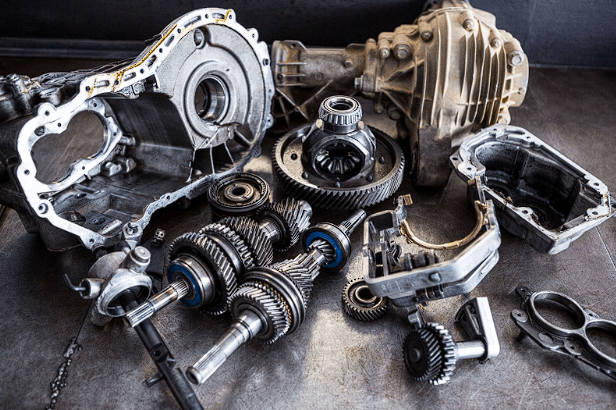
There are 3 types of auto parts on the market: OE (Original Equipment), OEM (Original Equipment Manufacturer), and Aftermarket Parts. OE, also known as Genuine Equipment, includes the auto parts a car comes with when it’s first shipped out to a dealership. These are the good car parts, as they’re the factory standard ones.
OEMs are replacement car parts manufactured by the brand that makes your vehicle. These are the same as OE components for all intents and purposes. As for aftermarket parts, they’re manufactured by companies that have bought the rights and template to a certain design. They’re not inherently bad; they’re just not made by the original creator of the design.
The Key Signs to Look Out For
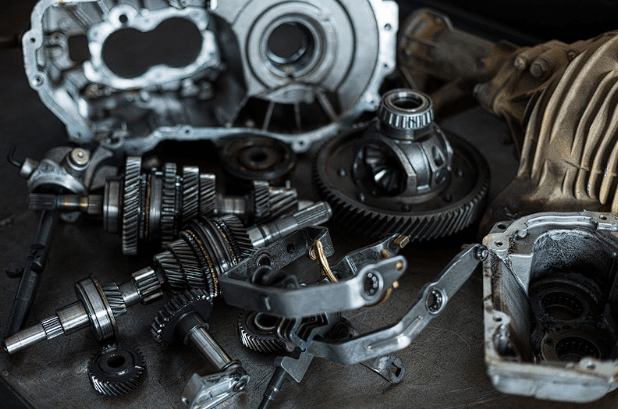
Now that we understand the different types of auto parts available on the market let’s explore the key signs to look out for when identifying counterfeit parts. It can be very difficult to spot a fake from a real car part, as that’s the point of the fakes. However, there are some things that even the best counterfeiters cannot fake, including:
Inconsistent Packaging
The car parts aren’t the only recognizable thing that automobile brands have going for them. Most brands also have their own unique packaging, in which they ship their OEM parts. This is something that amateur counterfeiters overlook all the time.
Before purchasing any auto parts, make sure to research how a certain brand packs their OEM parts and if they’ve made any changes recently. If what you get differs from what’s actual, you’ve probably received a fake part.
Improper Serial Number & Hologram
All good car parts must come with a serial number or hologram declaring where they were made, the model of the car, as well as authorization from the manufacturer. If traced back, these serial numbers will lead back to the manufacturer.
On the other hand, the serial numbers on fake car parts are gibberish, and since many customers don’t care to trace them back, counterfeiters often get away with it.
Price Irregularities
Price irregularities are another telltale sign that something is off. Most legitimate dealerships will put approximately the same price for a specific car part as that’s the real price for that specific component.
Shady businesses are an exception to this. Some import aftermarket parts and pass them off as OEM parts; more malicious businesses may even import counterfeit parts and pass them off as OEMs. Their greed, however, is their downfall. In looking to undermine their competition, they end up exposing themselves as frauds.
Obvious Difference
If you’re replacing a certain car part, you probably have the old one still lying around somewhere. If you compare the two and notice a difference, even though it’s advertised as the same model, you’ve most likely been handed a fake. This is why you should always keep your old parts around, even though they’re literally pieces of junk.
Typos & Missing Instructions
Most counterfeit auto parts come from third-world countries where English isn’t the primary language. Because of this, the instruction manuals they ship with their counterfeit parts are filled with errors. Typos and improper grammar are a dead giveaway. However, a more concerning thing is that large segments of their instruction manuals are usually missing.
Missing Certificates
If a car part is authentic, it’s usually certified by a relevant authority. This is one of the best ways to tell authentic auto parts from their fake counterparts. In the US, those organizations are the SAE (Society of Automotive Engineers) & the NHTSA (National Highway Traffic Safety Administration).
This is a reliable confirmation method because, for a part to receive a certificate, it must first reach a certain qualitative standard as judged by an organization. Fake auto parts obviously don’t reach this standard.
Low-Grade Construction Materials
Car parts are made out of various construction materials, carefully selected for their properties. Naturally, different materials can handle different pressures. Counterfeiters will usually use lower-grade materials while constructing their fakes to cut down on costs.
Not only does this mean that the parts don’t handle as well under pressure, but they also degrade faster. The best way to check if low-grade or different materials have been used is to weigh your new part and compare it with the old one. If the difference is significant, then it’s likely a fake.
Beware of Reconditioned and Salvaged Auto Parts
Reconditioned and salvaged auto parts are an especially big concern for a number of reasons, chiefly the fact that they’re often refurbished to look like they’re in pristine condition when really they’re not. Reconditioned parts are usually larger components such as engines or gearboxes. In many instances, these parts are stripped down, “cleaned up,” and put back together to be sold again with a “brand new” sticker attached to them.
Salvaged parts are an even bigger concern. Most salvaged parts come from Authorized Treatment Facilities, i.e., scrapyards. The problem with these is that the parts they offer vary wildly in quality. Some salvaged parts come from brand-new cars, while others are used.
In conclusion, navigating the world of car parts can be tricky, but knowing how to spot the difference between good and bad parts is essential for maintaining your vehicle’s health and performance. At A Plus Auto, we are committed to helping you make informed decisions by providing only the best in genuine and high-quality OEM parts. Avoid the pitfalls of counterfeit parts and trust A Plus Auto to provide you with reliable, top-notch components that keep your car running smoothly and efficiently. Remember, when it comes to car maintenance, the right parts make all the difference.
Facebook
Twitter
LinkedIn