
Understanding the Lifecycle of Car Parts: When to Replace vs. Repair
The stakes are higher with new vehicles 2019 and newer requiring increasingly specialized components. A Plus Auto’s expertise in quality modern parts, backed by 75+ five-star reviews and 140,000+ successful sales, provides peace of mind during these crucial decisions. Let’s explore how to navigate the repair versus replace dilemma with confidence.
Understanding Car Part Lifecycles
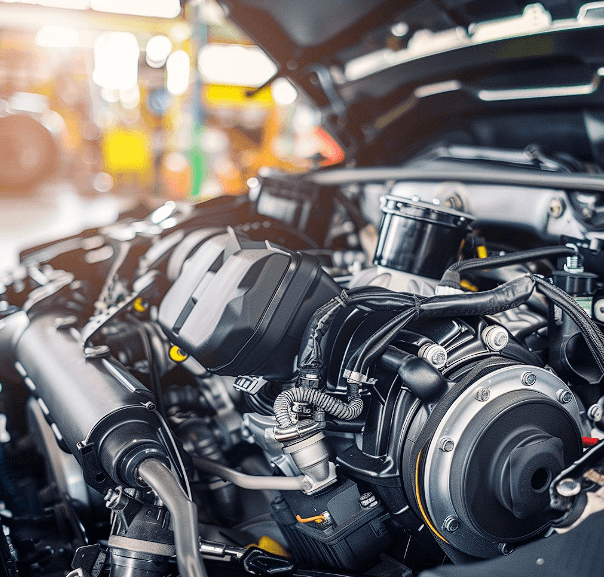
High-wear components include:
• Brake pads (30,000-70,000 miles)
• Tires (50,000-80,000 miles)
• Air filters (15,000-30,000 miles)
Moderate-wear parts encompass:
• Alternators (100,000-150,000 miles)
• Water pumps (60,000-100,000 miles)
• Starters (150,000+ miles)
Severe service conditions dramatically reduce these expected lifespans. The Car Care Council identifies key factors affecting part longevity:
- Daily trips under 5 miles stress engine components and prevent proper warm-up
• Stop-and-go traffic accelerates brake and transmission wear by up to 50%
• Towing or hauling increases transmission and suspension stress by 40%
• Extended idling causes carbon buildup and oil degradation
• Dusty or salty environments speed up corrosion and filter clogging
Your local climate plays a decisive role in maintenance timing:
• Cold regions cut battery life expectancy by half
• Hot climates degrade rubber components 30% faster
• Coastal areas triple the pace of rust and corrosion
• High altitudes strain oxygen sensors and fuel delivery systems
• Oil life monitors analyze real-time engine stress factors
• Tire pressure sensors detect changes as small as 1 PSI
• Battery management systems predict potential failures
• Brake wear indicators measure pad thickness continuously
• Engine control modules track performance across 40+ parameters
Signs It’s Time to Replace Your Car Parts
- Unusual sounds (grinding, squealing, clicking)
- Dashboard warning lights
- Fluid leaks or discoloration
- Burning smells
- Vibrations through steering wheel or pedals
- Steady check engine light suggests minor issues like loose gas caps
- Flashing check engine light demands immediate attention for engine protection
- ABS warnings indicate compromised braking safety
- Battery alerts predict charging system failure within 1-2 weeks
- Oil pressure warnings require immediate engine shutdown
- Brake pad replacement: $150-300 early vs. $400-800 with rotor damage
- Timing belt service: $500-900 early vs. $2,000-4,000 with engine damage
- Water pump replacement: $400-800 early vs. $2,500-4,000 with overheating damage
- Alternator repair: $500-1,000 early vs. $1,200-2,500 with electrical system damage
- Increased fuel consumption
- Damage to related components
- Higher labor costs
- Reduced vehicle value
A Plus Auto backs our parts with comprehensive warranties, protecting your investment while ensuring safety and reliability.
When a Car Repair Makes Sense
The 50% rule serves as a reliable guideline: If repair costs fall below half the replacement price and restore similar longevity, repair emerges as the logical choice.
This approach works particularly well for:
- Electronic modules requiring reprogramming
- Mechanical assemblies with replaceable sub-components
- Components with minor damage to non-critical areas
Environmental considerations strengthen the repair argument. Each repaired part:
- Reduces landfill impact
- Saves manufacturing resources
- Minimizes shipping materials
- Lowers carbon footprint
However, repairs must meet strict criteria:
- No compromise to safety systems
- Full restoration of original functionality
- Cost-effective long-term solution
- Available expertise for proper execution
Making the Car Part Decision
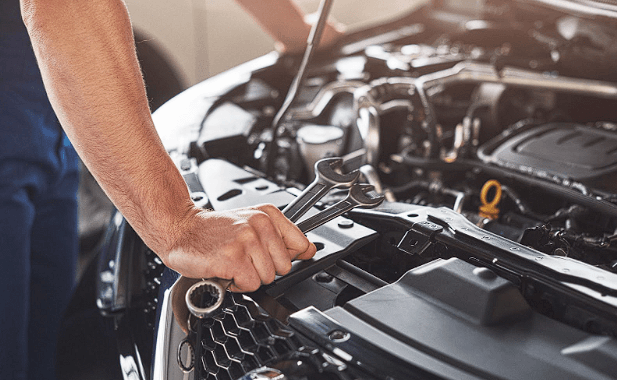
- Safety impact
- Repair success probability
- Part availability
- Labor complexity
- Long-term reliability
Quality matters significantly in the repair-or-replace equation. OEM (Original Equipment Manufacturer) parts match factory specifications exactly, while premium aftermarket alternatives often offer comparable quality at lower prices. A Plus Auto’s inventory focuses on both options for 2019 and newer vehicles, ensuring optimal choices for every situation.
- Extent of wear or damage
- Related component condition
- Repair feasibility
- Future reliability expectations
Making Smart Choices for Your Vehicle's Future
- Understanding part lifecycles helps predict issues
- Warning signs provide early intervention opportunities
- The 50% rule guides smart financial decisions
- Environmental impact adds meaning to choices